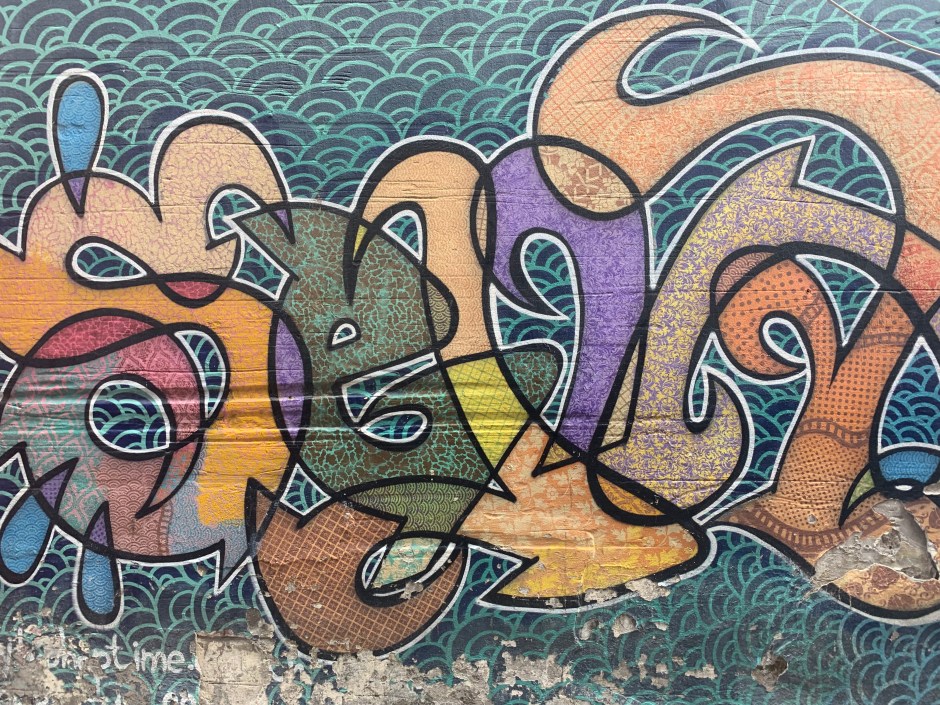
Street Art &Turkey

I recently visited Turkey to undertake some research around Istanbul’s street art.

Istanbul is a vibrant city with deep traditional and contemporary culture including an energetic night life. The city is a visual delight, so much to see from the vocal shopkeepers to the food culture, the smell of Turkish coffee and the street animals (so many cats) that are well fed and seem well cared for – something that is rare from what I have witnessed in my travels abroad.
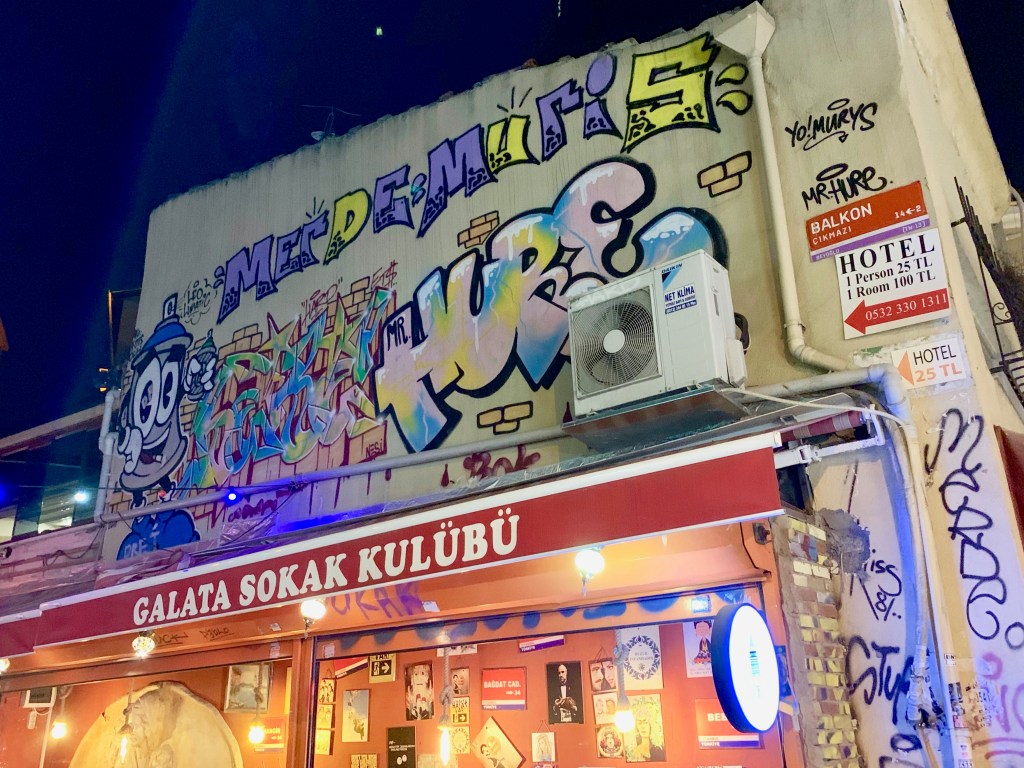
Various pieces | Istanbul, Turkey | 2019 | Photo by the author

I was captivated by the graffiti written all over the streets, juxtaposed against old buildings within the city.

Studying street art, in its many forms, has meant my eyes are now accustomed to looking for some form of communication that invites me to become embedded into the urban landscape. An escape from the everyday, this disruption of thought – particularly when experiencing a new city where everywhere you look you see different and new things. I still see the art that jumps out at me from the street – this visual megaphone of information.

Continue reading “Street Art &Turkey”
An ephemeral artwork that continues to live through the internet

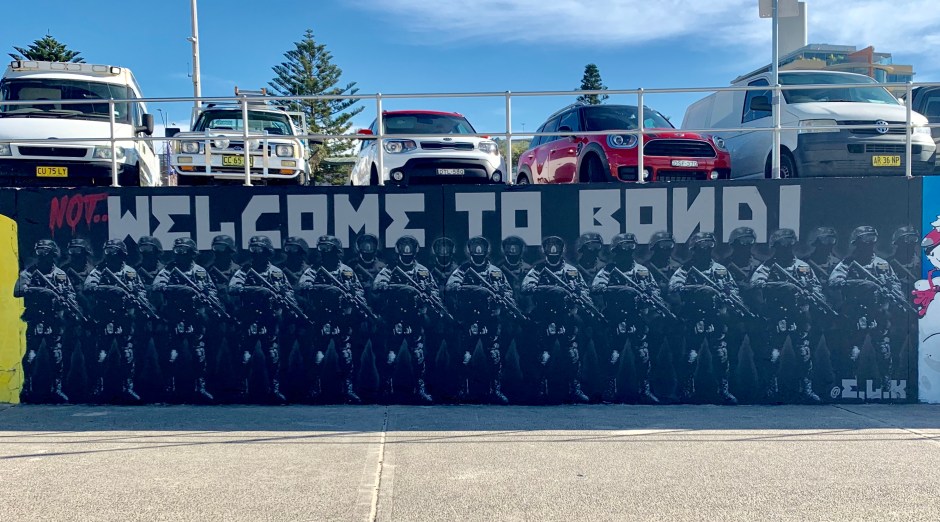
Mainstream media outlets in Australia recently focussed on a controversial work by stencil artist, Luke Cornish (ELK). Luke created a mural on the Bondi Beach seawall that generated conversations about the treatment of refugees in Australia, the right to free speech and the impact of artworks that adorn the urban landscape. The imagery of the mural caught the attention of the media, Australia-wide, and the conversation reverberated through social media.

Before continuing, it is important to note that Luke has always confronted controversial topics: from the war in Syria to the impact of the Afghanistan conflict on veterans.

Luke’s mural depicts 24 Australian Border force officers standing in a line with the words “Not welcome to Bondi”. The mural was designed by the artist to create awareness around refugees and asylum seekers. The number of officers stencilled represent the 24 suicides that have occurred in Australian detention facilities – both off and on-shore – since 2010.

Since the late 1970s, the Bondi Sea Wall has been open to artists to submit artworks and, as stated on the Waverley council’s website, the wall “…has featured a mix of street and contemporary art with strong social and political messages throughout the decades.

Continue reading “An ephemeral artwork that continues to live through the internet”