My threshold moments

My research is inspired by German philosopher, Martin Heidegger, and his concept of the threshold moment: moments of disruptions that we experience that can change our view of the world. I apply this concept to street art and the way viewing art in the everyday can disrupt the way we see the world.

I have been drawn to street art for over a decade but surprisingly, I experienced my own threshold moments while undertaking this research. 

This research has focused on the work of three artists: Claire, Zoe and Styna.

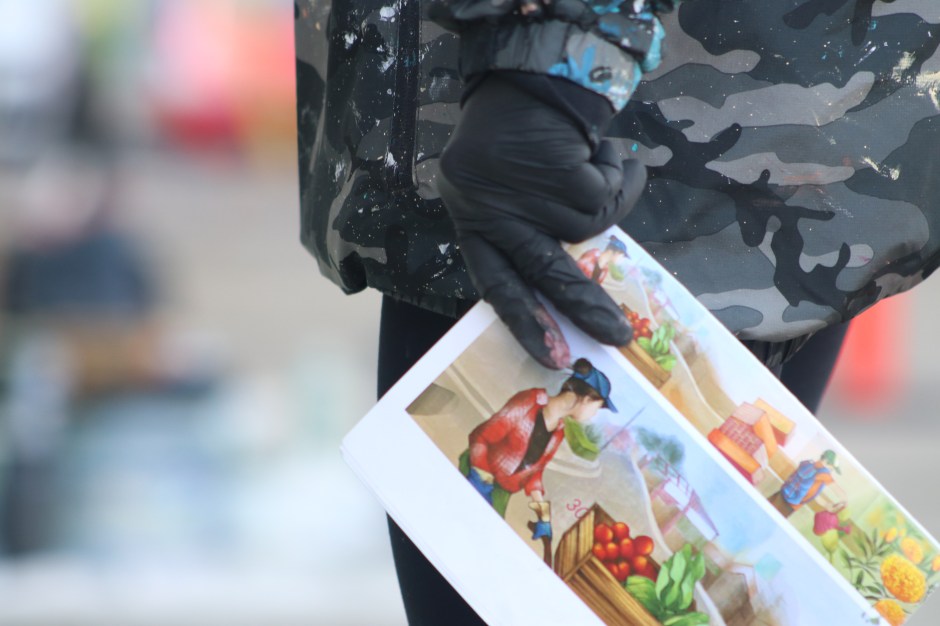
My work with them created moments that re-shaped my reflections and has guided me towards new wats of understand the role of the artist and the arts in our lives.

Continue reading “My threshold moments”

Working with artists in the urban environment

Cooperation, partnership, alliance, and synergy are all words that describe ‘collaboration.’

The etymology of ‘collaboration’ is a combination of Latin and French phrases that come to represent the “act of working together, united labour”

Collaboration is a word that I have used from the beginning of my research: wanting to work with the artist to create a space for information to be available for audience when viewing their artworks in the everyday.

My research applies a Heidegger concept of ‘crossing the threshold’ (1927/1962). This threshold moment is created by a disruption of thought. I argue that this disruption of thought occurs when you view artworks unexpectedly. One minute you a walking down the street thinking of one thing and next you see a mural that has turned the urban landscape into a canvas. The viewer may be captured and wonder about the meaning behind the work? The ‘affect’; Do I like what I see?

My project, Refracted Cubes, is about curating a space for audiences to find out more about artworks that penetrate the everyday – with a specific focus on street art murals. This research allows viewers to delve past the imagery and into the space of understanding the artist’s concept behind the work.

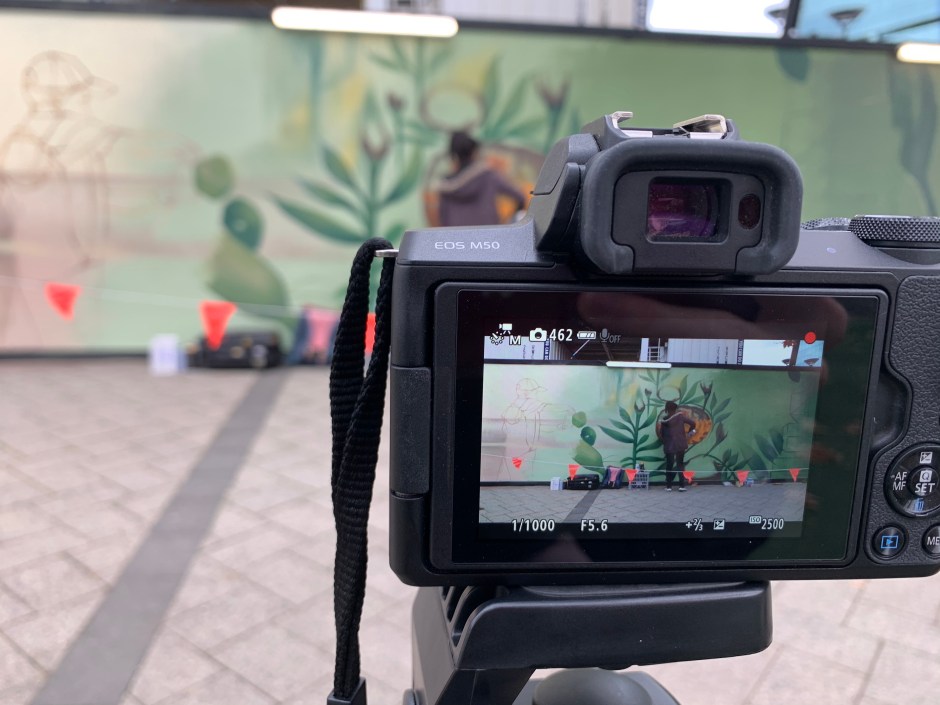
I documented and curated Refracted Cubes with three artists as they created their murals. The documentation aspect was a journey of discovery for me. I learnt that artists who work in the urban environment can find conditions difficult to negotiate: the weather, the facilities, and the interactions with audiences – sometimes friendly but potentially volatile – all need to come into play when creating murals.

I want to discuss three insights that emerged.

Continue reading “Working with artists in the urban environment”

Street Art Archibald?

The annual Archibald Prize is the most prestigious portrait competition in Australia and hosted by Sydney’s Art Gallery of NSW (AGNSW). The exhibition also includes the Sulman Prize (genre or subject) and the Wynn Prize (landscape).

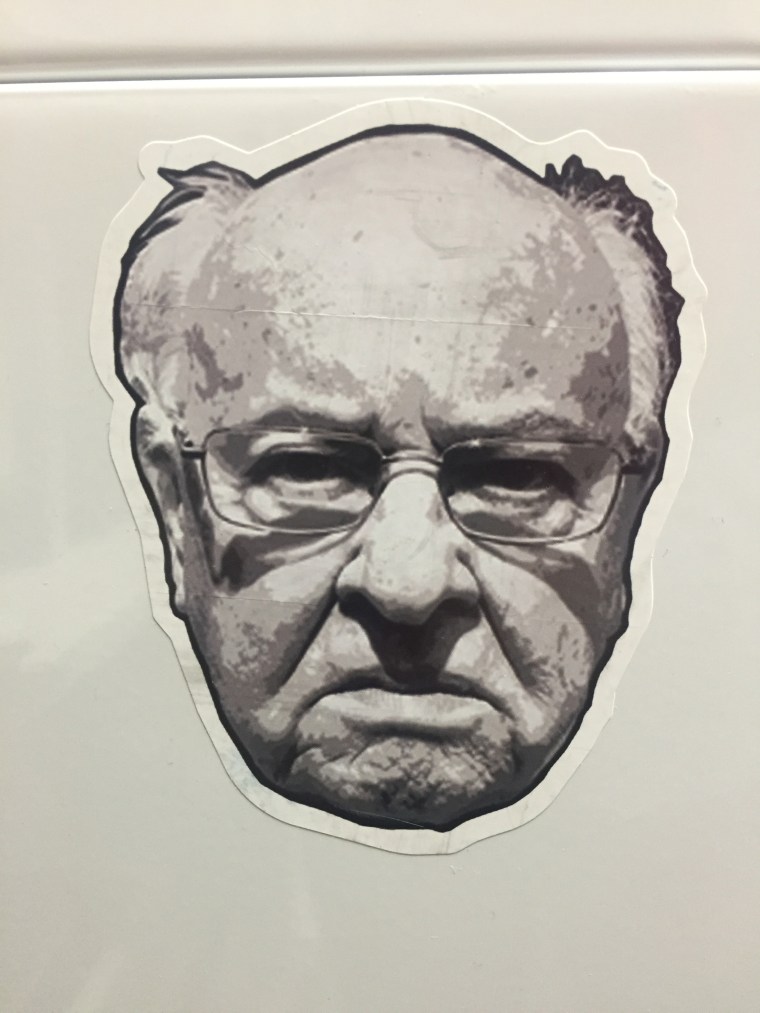
Sticker of Luke Cornish’s Father Bob | Image by the author

The Archibald Prize began in 1921 and has captured a following of artists and art enthusiast for decades. The portrait, as stated on the AGNSW website, is required to be ‘…preferentially of some man or woman distinguished in art, letters, science or politics, painted by any artist resident in Australasia’.

The number of entries has increasing annually with 1068 entries in 2020 submitted and only 55 finalists selected.

In 2012, Luke Cornish (aka E.L.K.) became the first street artist to be a finalist of the Archibald Prize with his imagery of Melbourne personality and religious leader ‘Father Bob’ (Father Robert John Maguire).

Continue reading “Street Art Archibald?”

Canberra | Home to the free walls

Canberra is Australia’s national capital and is situated in Australian Capital Territory (ACT). It is home to a number of Australia’s political and cultural institutions including Parliament House, the National Gallery of Australia and Australia’s best science museum, Questecon.

It is a planned city notable for how well maintained it is: clean, walkable and visually pleasing to visitors and locals. Whilst a quiet city when compared to other Australian cities, it comes alive during parliamentary sitting sessions.

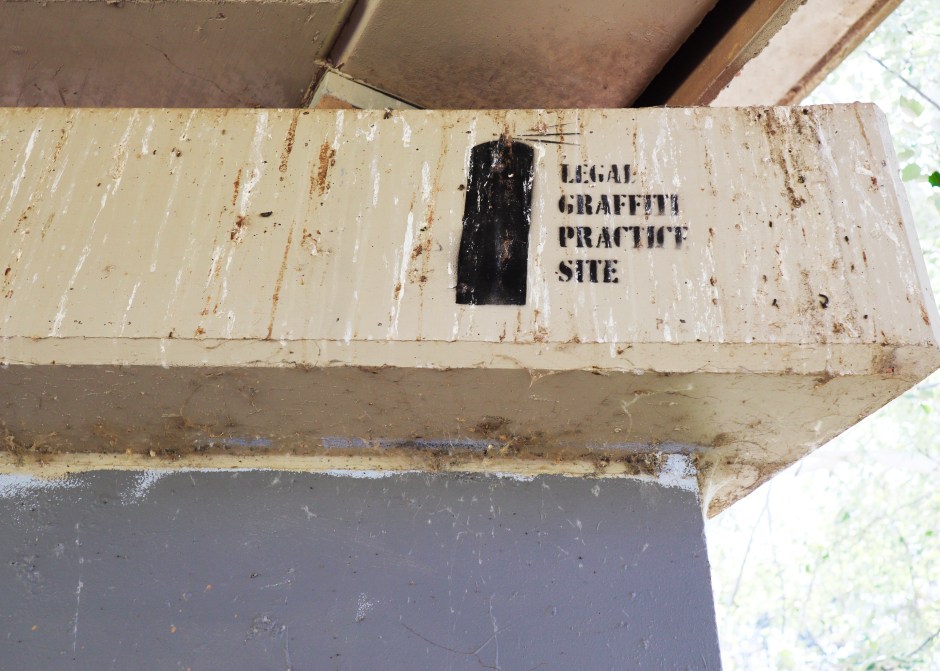
The ACT State Government recently launched an urban public art project. It began by issuing grants to local street artists for murals and different projects that encompass urban art. These initiates aim to enhance the community through engagement of both the artist and the people that use Canberra’s public spaces.

Continue reading “Canberra | Home to the free walls”

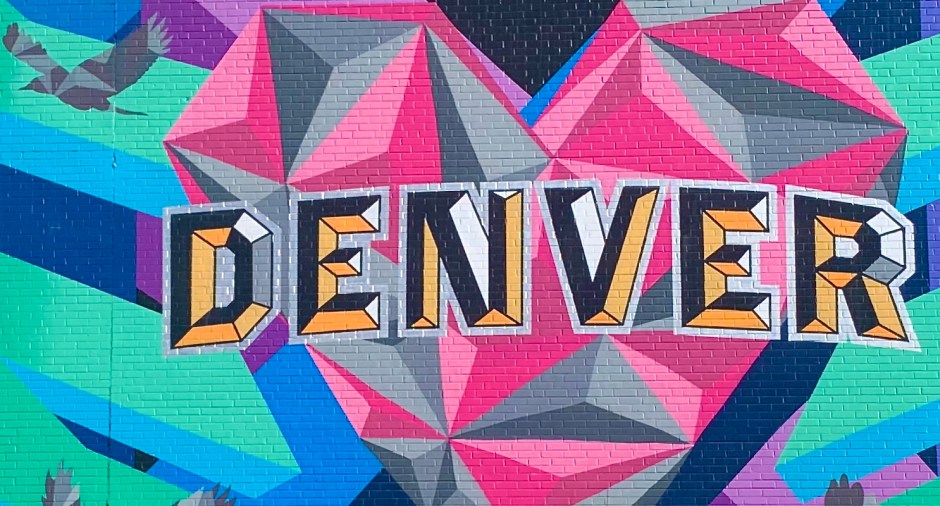
Five Points: Denver, Colorado

Whilst living in the USA over the past year, I visited Denver, Colorado on multiple occasions. It is a city filled with public art: from some of the small neighbourhoods to the central business district (CBD).

The CBD is particularly filled with public art, creating space for people to experience art in the everyday. Most of these artworks have plaques accompanying them, displaying either artist/artwork information or the reason for their existence.

Among these public art pieces are artworks by local street artists and graffiti writers. However, to view the street art and graffiti, you needed to venture into the alleyways and go searching for these hidden gems.

This is often the best part of street art and graffiti – the search for the prize.

While researching street art festivals in Denver, I came across the suburb of Five Points, the home of Crush a street art festival that has just celebrated its 10th anniversary in creating a vibrant art filled neighborhood.

The area is pulsating with art.

Continue reading “Five Points: Denver, Colorado”

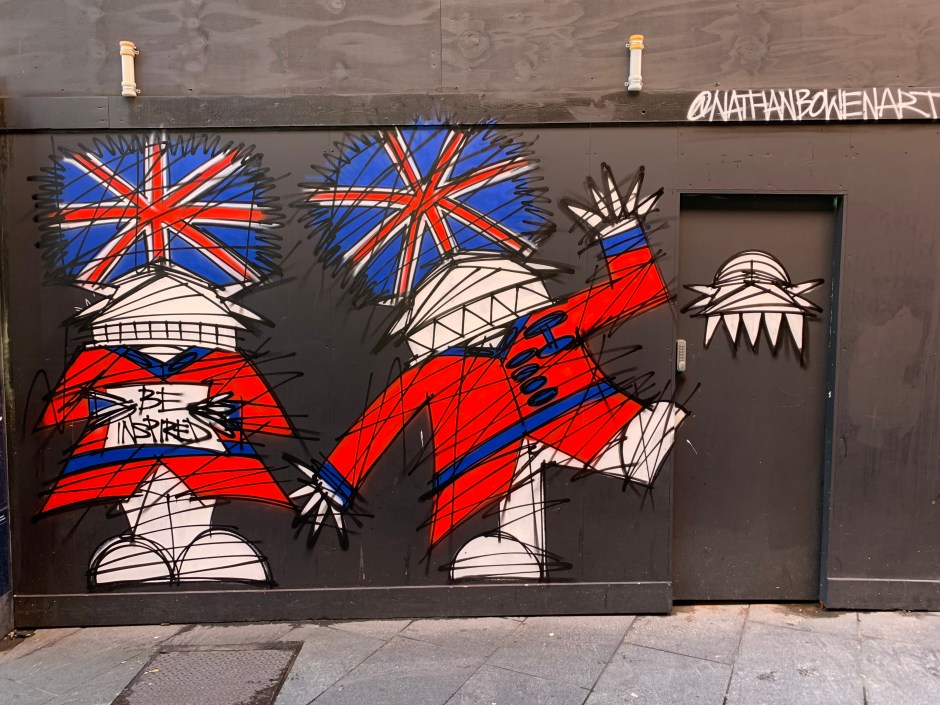
London: Shoreditch the ever-changing urban canvas

Shoreditch, is a suburb in London that embraces street art and graffiti: wall upon wall is covered with tags, pieces, murals, sculpture and paste ups. It is a feast for your eyes and moves between stylized pieces and vibrant imagery, to political commentary about what is happening around the world (including some not so complementary images of Boris – the UK’s Prime minister).

To my surprise, there are also a significant number of paid advertising images: that is, corporations paying artists to paint a wall instead of using a traditional billboard.

While recently visiting London as part of my research, I was inspired by an article that discusses the role of street art tours.  Andron examines the function of the street art tour industry and argues that, these operators are creating a “touristifcation and gentrification” of the subculture and the environment that… (they) exist in (2018, p.2).

In reflecting on Andron’s arguments, I contemplated whether this was problematic or beneficial to local suburbs? Do these tours benefit the local economy by bringing in additional people to the suburb who would otherwise not visit?

Continue reading “London: Shoreditch the ever-changing urban canvas”

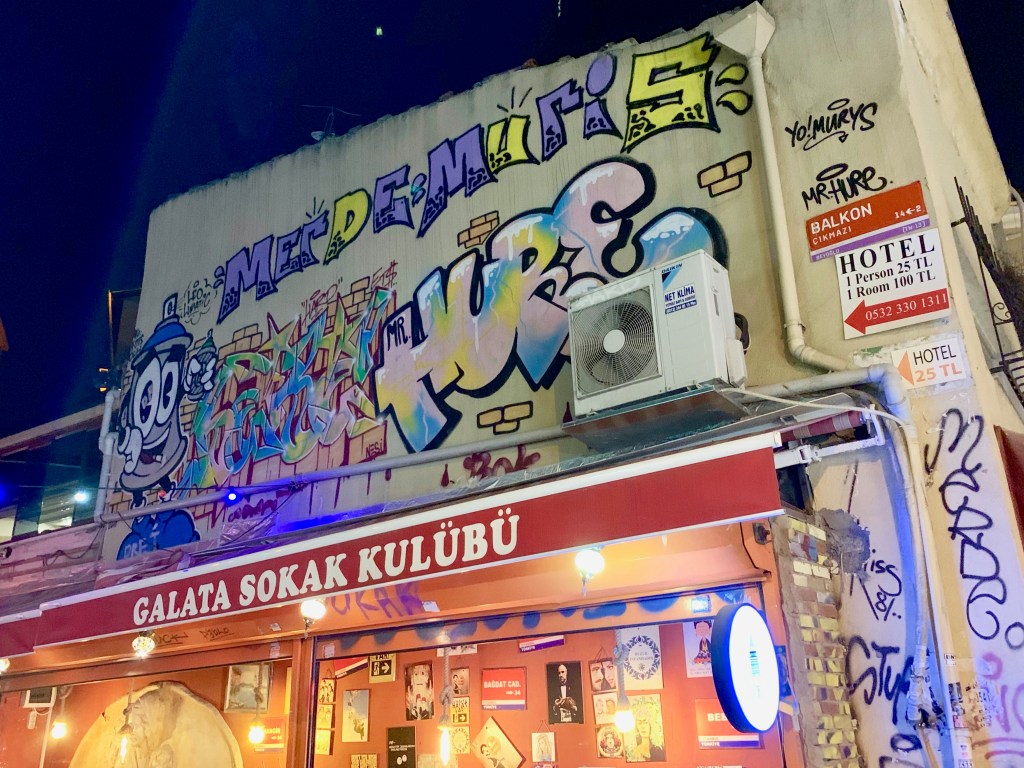
Street Art &Turkey

I recently visited Turkey to undertake some research around Istanbul’s street art.

Istanbul is a vibrant city with deep traditional and contemporary culture including an energetic night life. The city is a visual delight, so much to see from the vocal shopkeepers to the food culture, the smell of Turkish coffee and the street animals (so many cats) that are well fed and seem well cared for – something that is rare from what I have witnessed in my travels abroad.

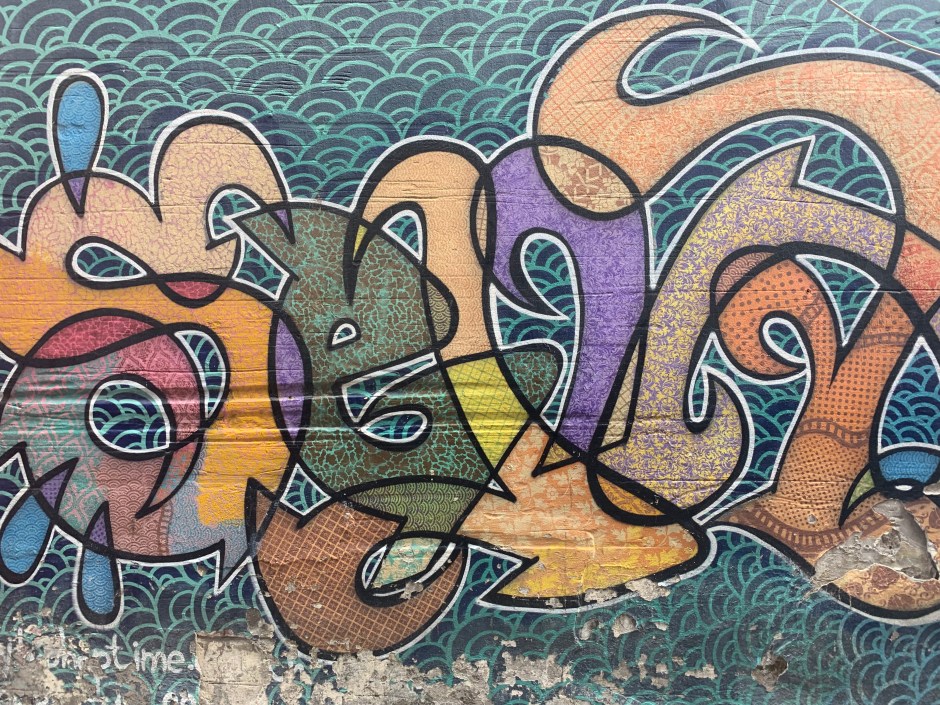
Various pieces | Istanbul, Turkey | 2019 | Photo by the author

I was captivated by the graffiti written all over the streets, juxtaposed against old buildings within the city.

Studying street art, in its many forms, has meant my eyes are now accustomed to looking for some form of communication that invites me to become embedded into the urban landscape. An escape from the everyday, this disruption of thought – particularly when experiencing a new city where everywhere you look you see different and new things. I still see the art that jumps out at me from the street – this visual megaphone of information.

Continue reading “Street Art &Turkey”

An ephemeral artwork that continues to live through the internet

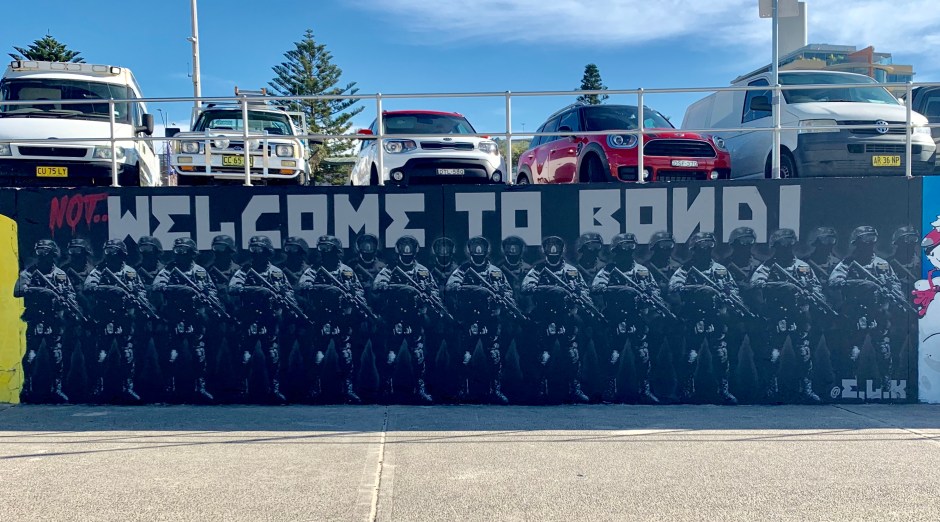
Mainstream media outlets in Australia recently focussed on a controversial work by stencil artist, Luke Cornish (ELK). Luke created a mural on the Bondi Beach seawall that generated conversations about the treatment of refugees in Australia, the right to free speech and the impact of artworks that adorn the urban landscape. The imagery of the mural caught the attention of the media, Australia-wide, and the conversation reverberated through social media.

Before continuing, it is important to note that Luke has always confronted controversial topics: from the war in Syria to the impact of the Afghanistan conflict on veterans.

Luke’s mural depicts 24 Australian Border force officers standing in a line with the words “Not welcome to Bondi”. The mural was designed by the artist to create awareness around refugees and asylum seekers. The number of officers stencilled represent the 24 suicides that have occurred in Australian detention facilities – both off and on-shore – since 2010.

Since the late 1970s, the Bondi Sea Wall has been open to artists to submit artworks and, as stated on the Waverley council’s website, the wall “…has featured a mix of street and contemporary art with strong social and political messages throughout the decades.

Continue reading “An ephemeral artwork that continues to live through the internet”

Can-advertising-be-considered-an-act-of-vandalism?

The best part of travelling to my uni – Western Sydney University – is the train journey from Central Station to Parramatta. Viewing ‘pieces’ created by graffiti writers on the walls that encase the railway tracks. The combination of text, characters and symbols that allow the names to jump out of the wall. A blur of colour – depending on the speed of the train – or a slow train that allows for the gallery of work to be exhibited with every detail viewed.

Lotso
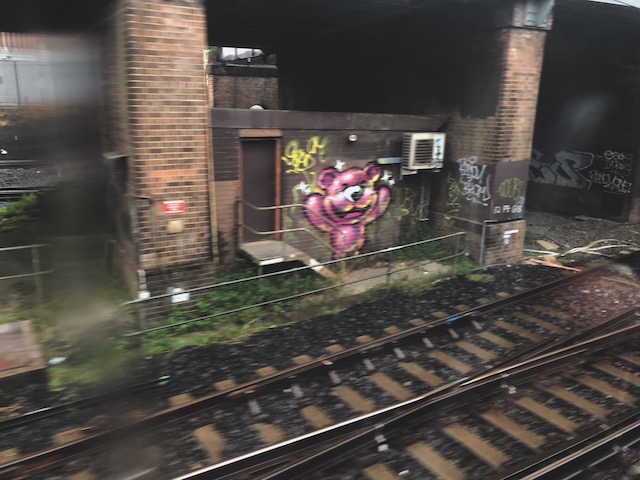
“Lotso” |Artist Unknown| Photograph by the author| Sydney, September 2018

Recently, I saw an image on the train that caught my eye: a mural of a bear (which reminded me of Lotso from Toy Story 3). My initial thought was, ‘I want   this image for my instagram’ but I was too slow and missed the shot. I spent the day hoping it would be there the next day – always a risk when you research an ephemeral art form, how long it lasts depends on too many factors.

Whilst waiting on the station the next day,  I watched the train roll in and was silently outraged to see the carriages were covered in advertising – including the windows – making it difficult for me to look out and see passing artworks.

Continue reading “Can-advertising-be-considered-an-act-of-vandalism?”

Knowledge-Translation

IMG_6426
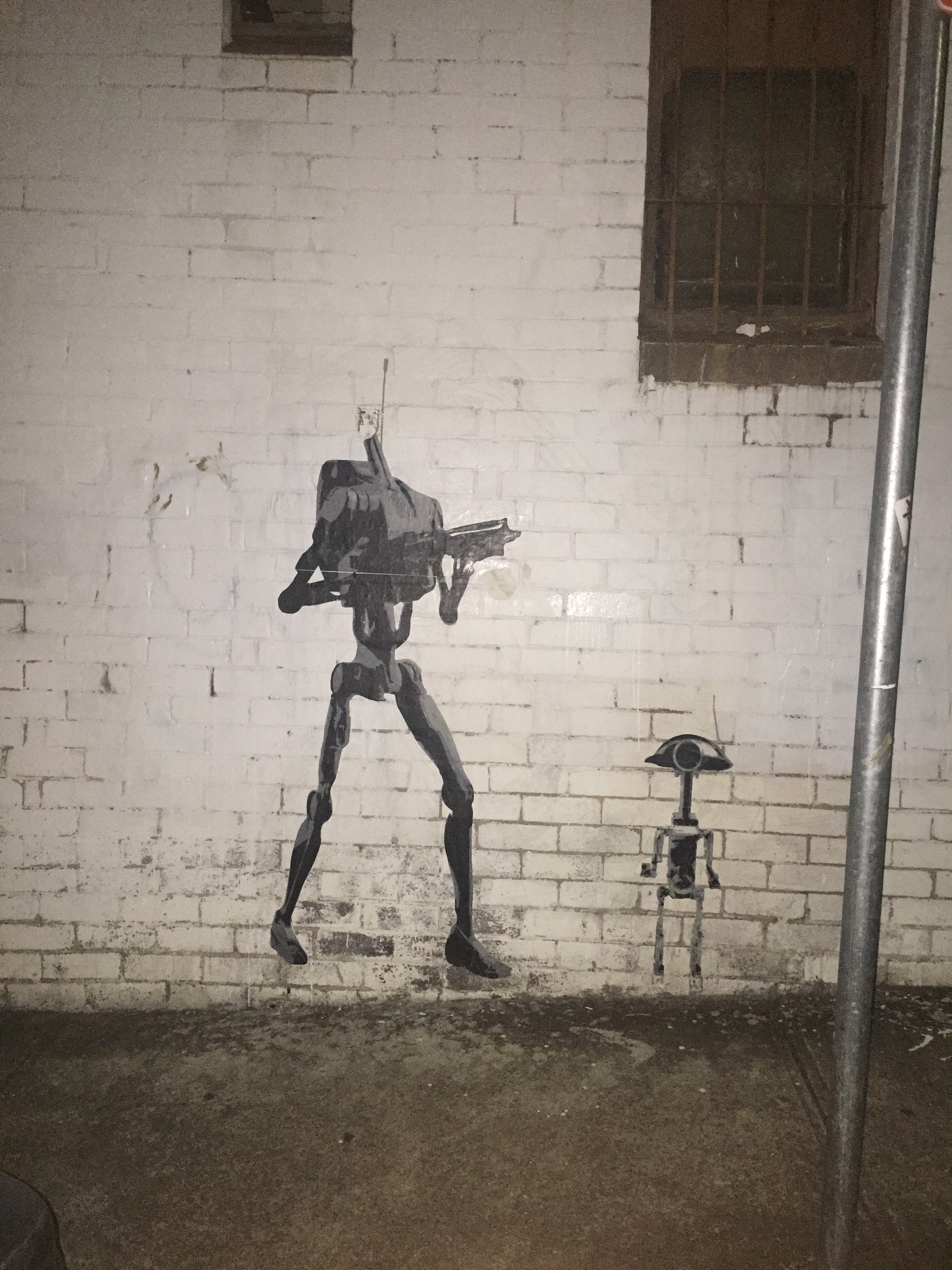
Artist Unknown – Newtown 2016 – Photo by author

Knowledge translation is vital to any research project!

When asked ‘what do you research’, the easiest thing is to respond with lots and lots of jargon to sound smart!

It is much harder to communicate your research to a person who is outside of your area without using jargon from within your field.

To be able to explain the topic in an accessible way is beneficial for two reasons. Firstly, it creates ‘new knowledge’ because it expands the research area to  people outside the discipline area. Secondly, this creates the potential fore new conversations and therefore, new ideas.

This is the concept of ‘knowledge translation’. It allows for the understanding of your area as well as the exposure of what you are researching. Continue reading “Knowledge-Translation”